
Cairns
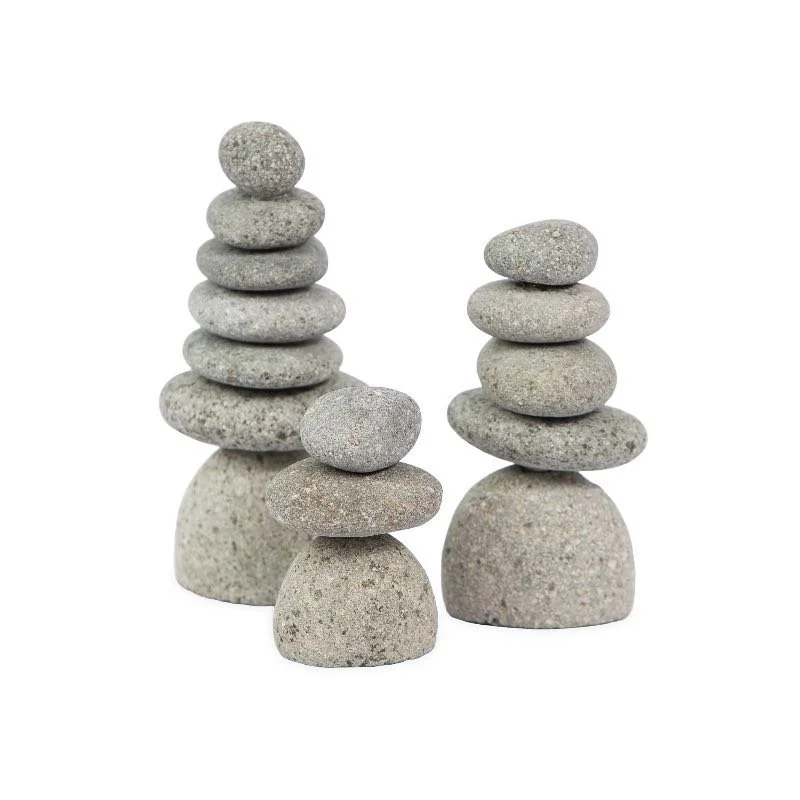
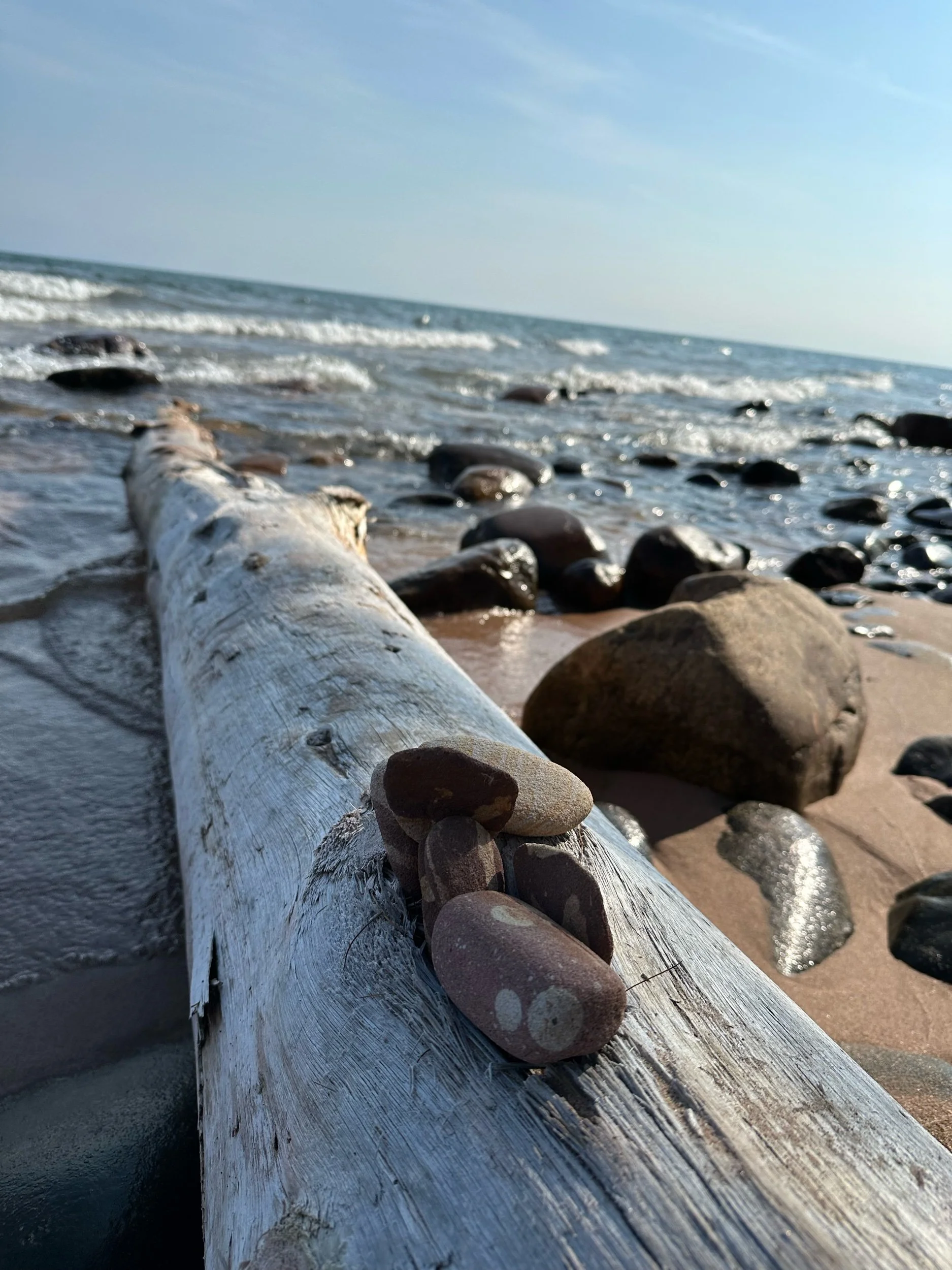
You may have run across these piles of stones on a shoreline or trail and wondered how and why they were placed there. The artful stone markers actually have a name: cairns.
Carefully balanced, these simple, natural signs can serve as a landmark, trail marker, or memorial. The word derives from the Gaelic càrn meaning “heap of stones.”
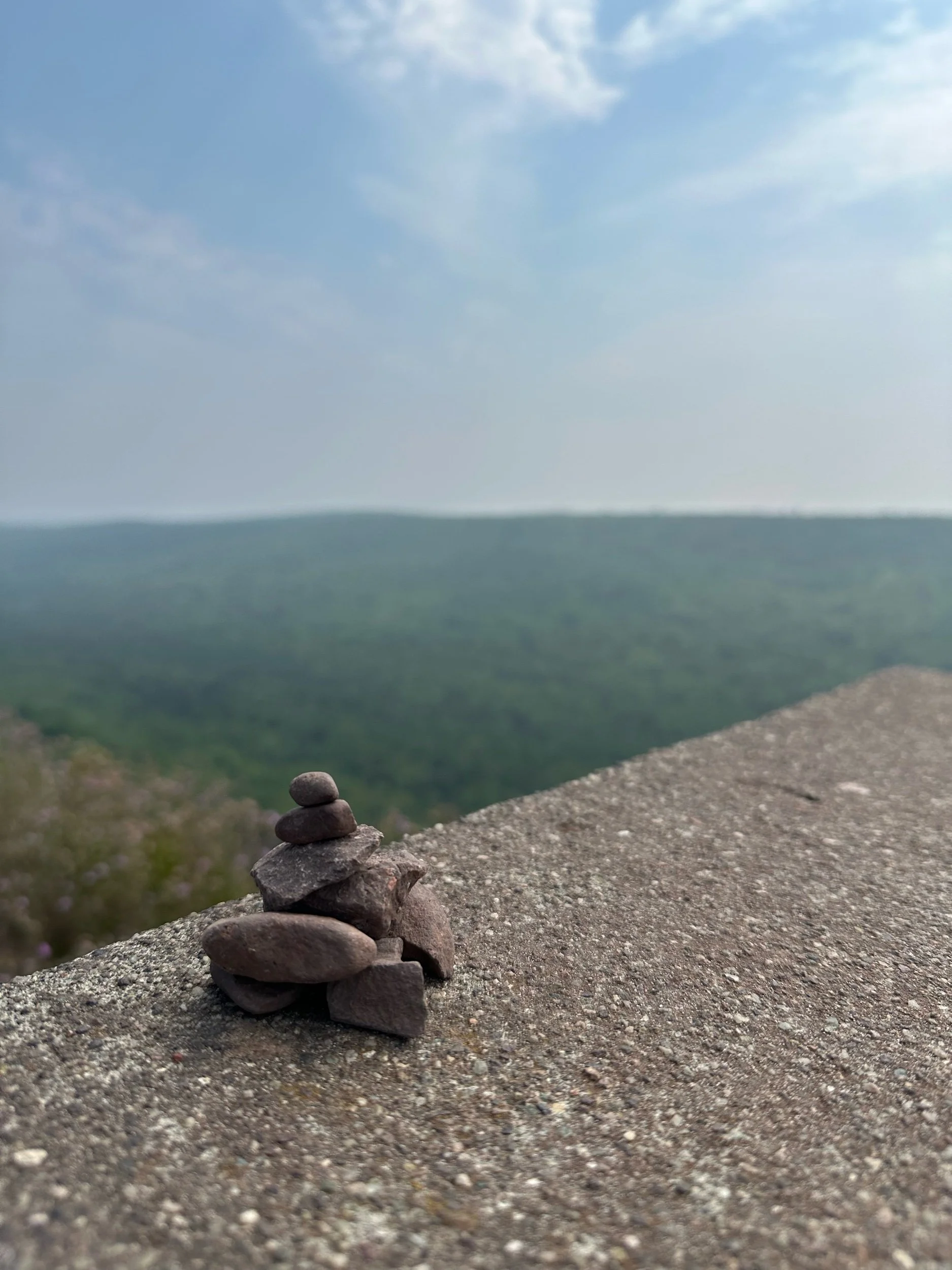

Placed at regular intervals, a series of cairns can be used to indicate a path across stony or barren terrain. You’ll also see them at the summits of mountains, or on a gravestone to commemorate a visit.
Cairns come in all shapes and sizes and, interestingly, are found in varying terrains on all continents. Some are massive pillars several feet in diameter, made up of smaller stones forming a conical shape. Others are only a foot high, assembled from rocks in close proximity.
Coastal cairns called sea marks are also common in the northern latitudes, especially in the island-strewn waters of Scandinavia and eastern Canada. They are placed along shores and on islands and islets, and look like large stationary buoys. Usually painted white for improved offshore visibility, they serve as navigational aids.
There is something peaceful about stones piled one atop another. As a guidepost, a cairn always gives me a sense of security. A reminder that I am on the right path. When I create my own, it is always with a sense of harmless playfulness, similar to a child’s curiosity to build towers with blocks or Lego sets.
Cairns are a bit like dropping breadcrumbs for someone to follow. A quiet, ocular language, showing the way to those that come after us.