
Typewriters
One of my favorite sounds was my mom typing on her old Smith Corona. The simple, yet complex, clickity-clack-clack of typewriter keys was somehow perfect. It was as if you could hear the words being formed with each key strike emblazoning a curt black letter on the page and then another and another until letters became words, words turned into lines, and the carriage return, with its resounding bell, signaled the jump back to the left edge of the paper.
For a competent typist, the click-clacking was at a consistent, measured pace. For those who remember learning typing in school, we were gauged on how many words per minute we could type (>40 wpm was considered proficient and >80 advanced). The hunt-and-peck typers were much slower! Do young adults even learn to type anymore? It may be just a natural, learned behavior now since it is so imperative in a world ruled by computers. They really have no choice but to learn these skills from a young age.
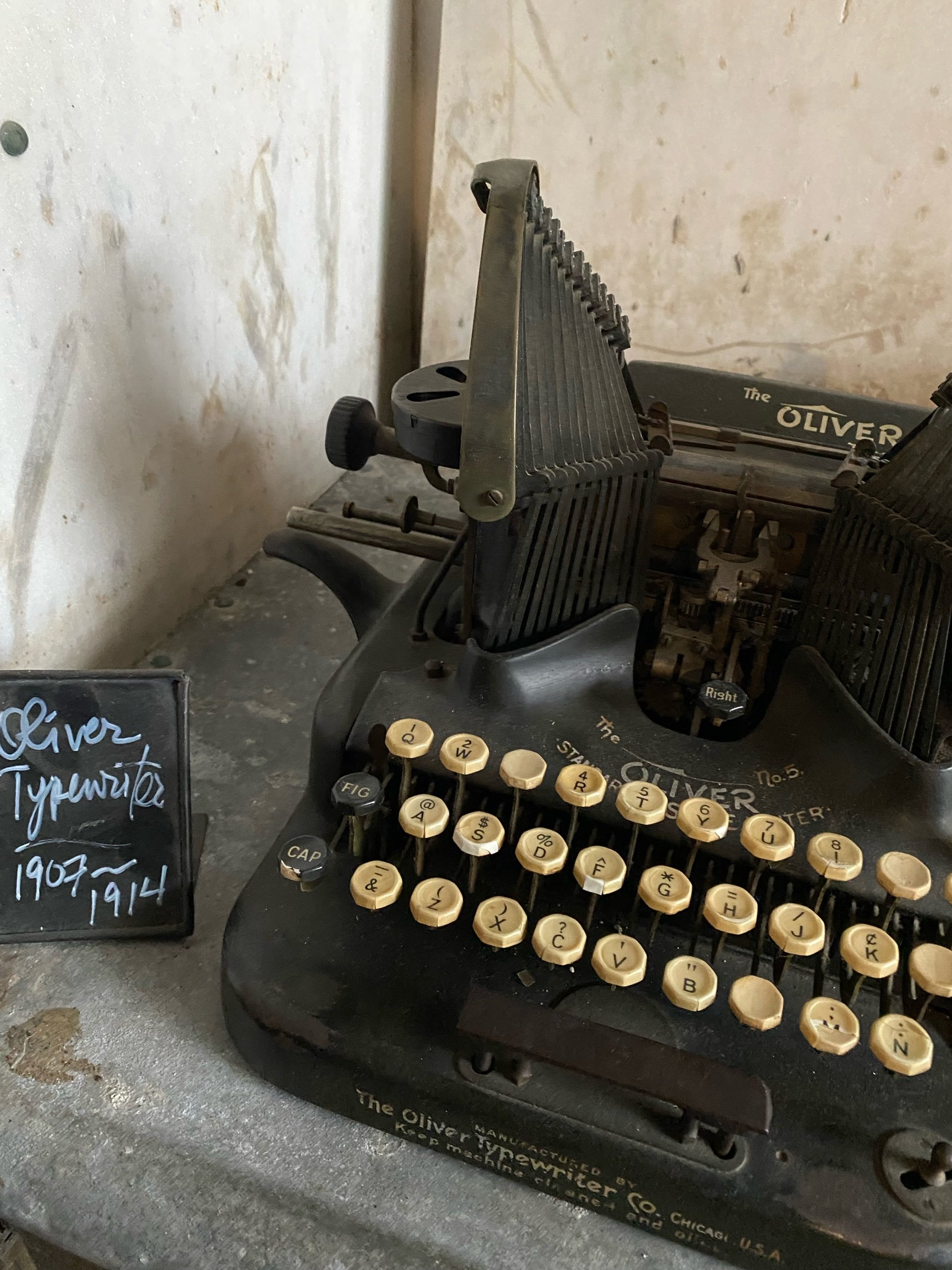
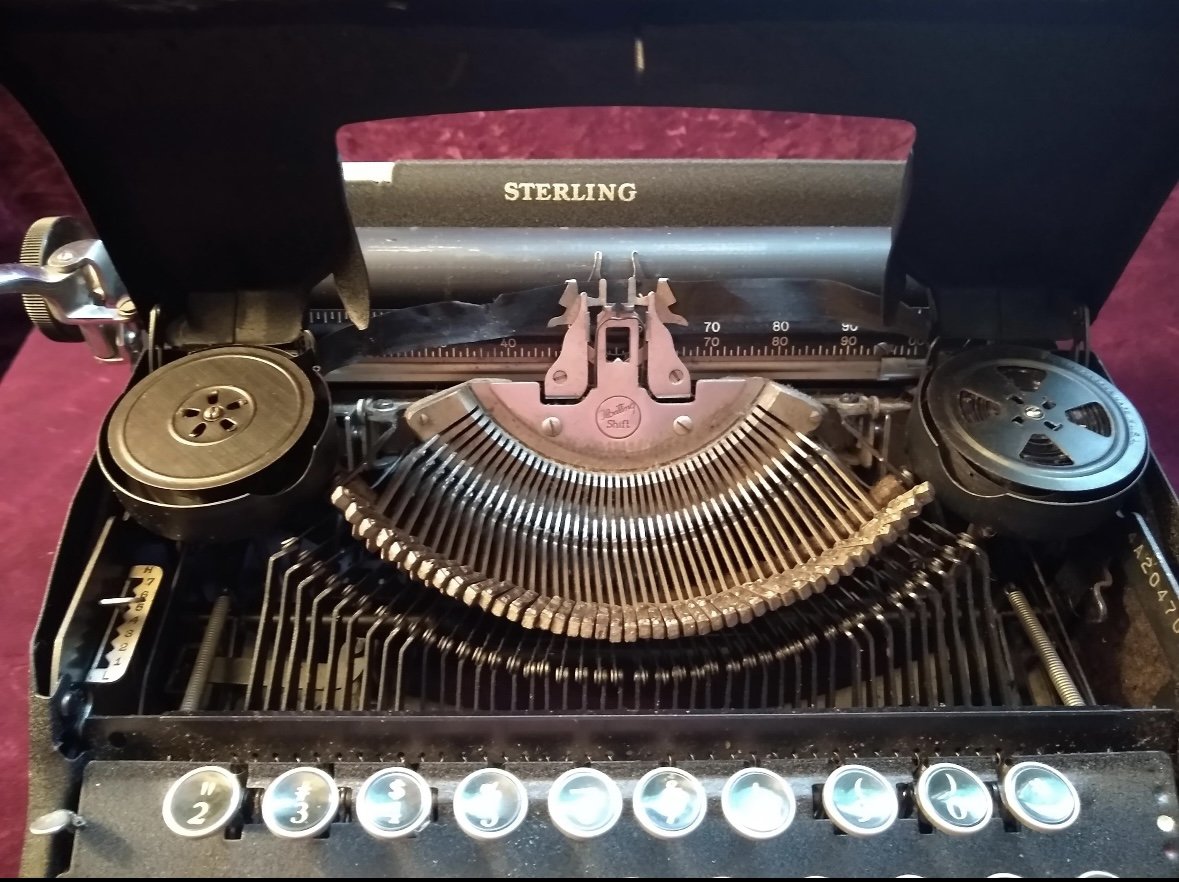
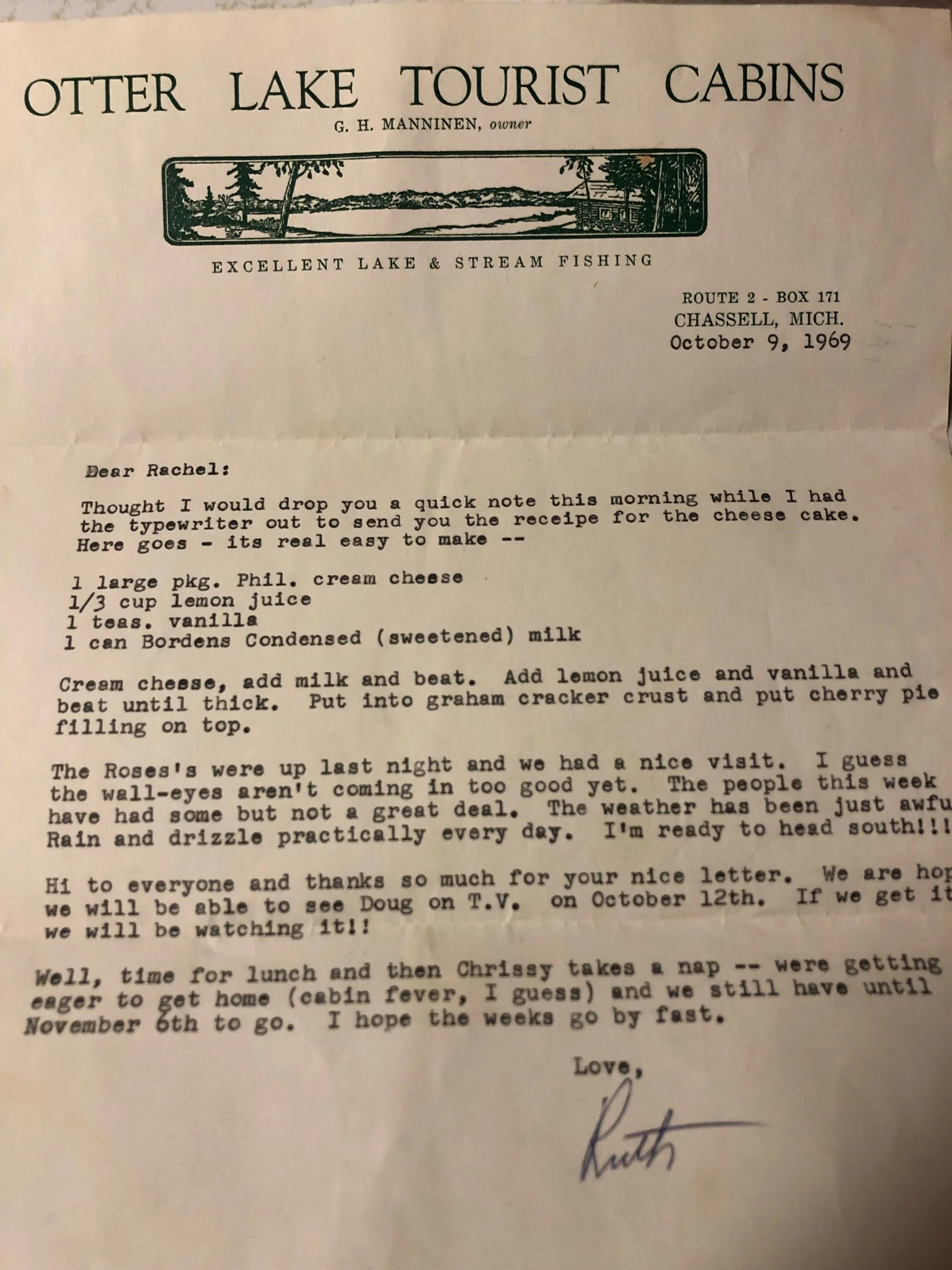
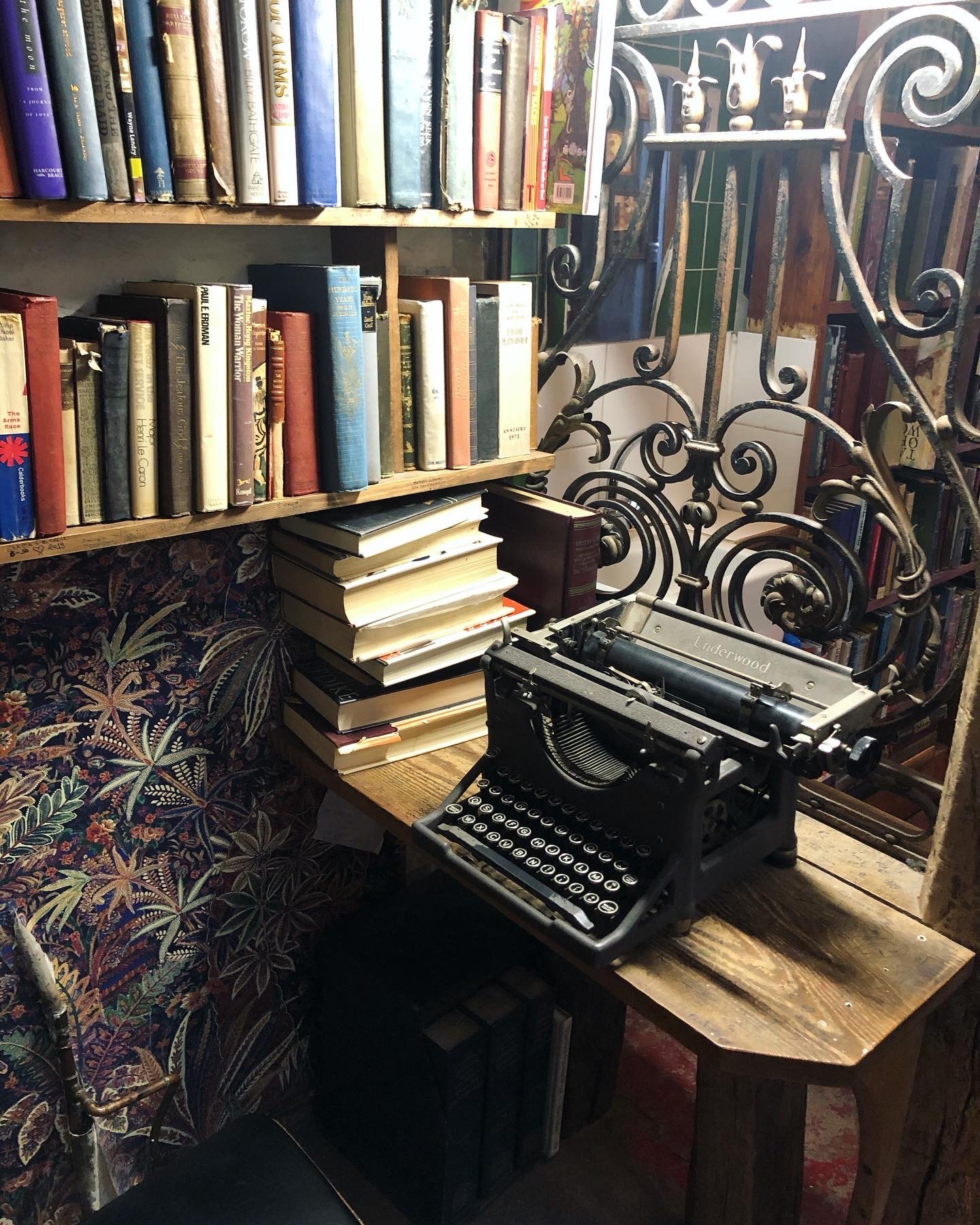
If you look at a typewriter’s keys, you can often see wear marks on the letters most frequently struck including vowels, and t, n, s, r. Errors were corrected with correction tape or white-out fluid and there wasn’t a choice of font or style. The “typewriter” font that we now have as an option in word processing programs and Instagram stories is all you had.
Eventually the typing ribbon had to be replaced when it became worn and the words became more faint on the paper. Some typewriters had quirks in their letter stamps that would drop a letter slightly lower or higher than others in a line, which a clever sleuth could use to identify on which typewriter a document was created.
Gone is the noisy clamor of a roomful of people using typewriters in a newsroom or office setting. I think about writers decades ago that wrote essays and manuscripts entirely longhand or on a typewriter. Talk about a slog compared to our computers, touchscreens, and virtual assistants of today!
Still, I wonder if our writing was somehow better in those days when we had a chance for our thoughts to catch up with our fingers. Maybe writers then were more discerning with their words and their meaning. I sometimes yearn for that slower pace when delete keys did not exist.